Trending

Walk into a good grain shop and the labels can feel like a family reunion you arrived at late. Farro, spelt, einkorn, emmer: four names, four kernels, and a fair amount of confusion. They belong to the same broad wheat family, but they are not interchangeable. One cooks in twenty minutes, another can take close to an hour. One makes a tender, fragile dough; another holds a rustic loaf together. The useful differences come down to origin, kernel size, cooking time, flavor, and how the flour behaves.
Here is the practical map, without the mystique.
“Ancient grains” is a loose label, not a botanical category. Einkorn, emmer, and spelt are all wheat species with old histories. Einkorn is a diploid wheat, Triticum monococcum. Emmer is tetraploid, Triticum dicoccum. Spelt is hexaploid, Triticum spelta, and is closely related to modern bread wheat. That matters in the kitchen because their gluten proteins behave differently, even though all three contain gluten.
Farro is the trickiest name. In Italy, farro is an umbrella term: farro piccolo is einkorn, farro medio is emmer, and farro grande is spelt. In many English-language shops, “farro” usually means emmer, but not always. Read the small print. If a recipe simply says farro, check whether the package is pearled or whole, and which species it names. The cooking time can shift by half an hour.
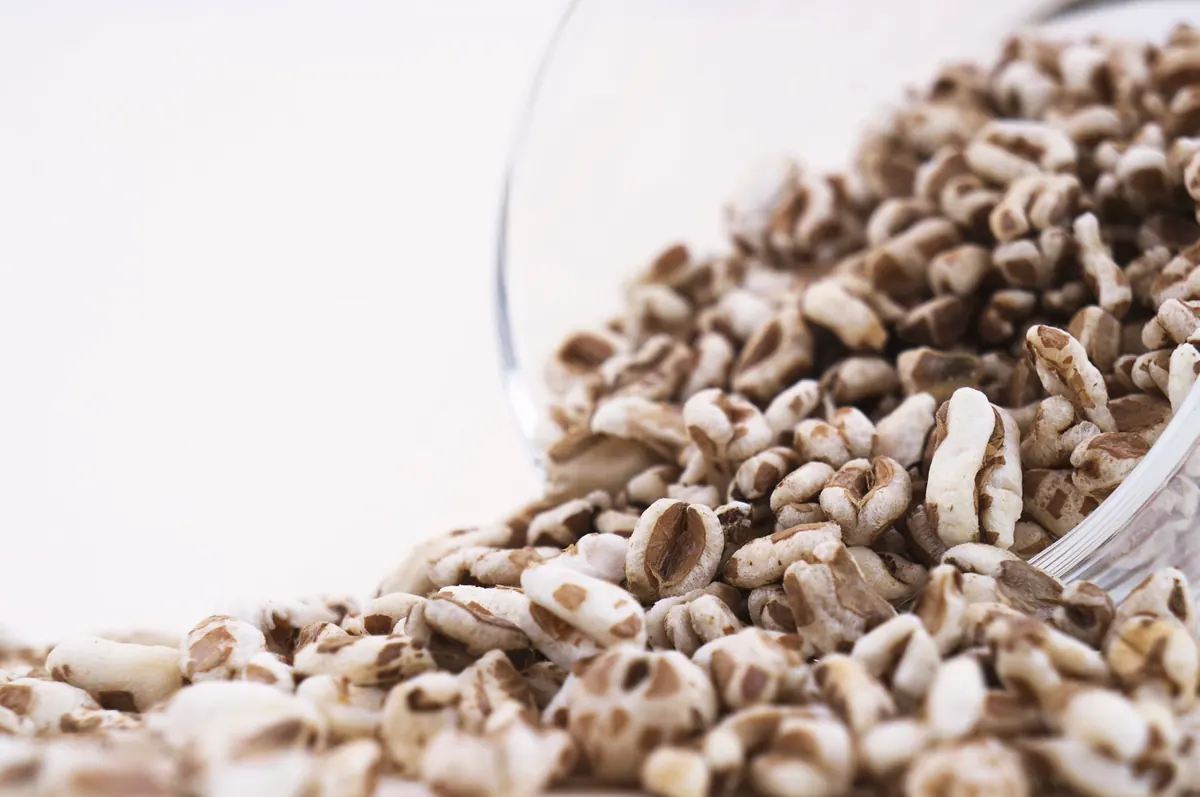
Also look for the word “hulled.” These grains naturally carry a tough hull. Hulled grains retain their bran and need longer cooking. Pearled or polished grains have had some of the outer layer removed; they cook faster and taste softer. Neither is better in every dish. Whole grains give chew and structure; pearled grains are useful when you want dinner in twenty minutes.
Einkorn is one of the earliest domesticated wheats, with a history rooted in the Fertile Crescent. The kernels are small and golden, and they cook into a pleasingly firm bite. The flavor is nutty and sweet, with a faint grassy note that survives in soups and pilafs. Cook whole einkorn berries for roughly 30 to 40 minutes, or a little less if you soak them first.
Its flour is where einkorn becomes distinctive. The gluten is weaker and more fragile, so dough stretches less and tears more easily. That is not a fault; it is a cue. Use einkorn flour for flatbreads, pancakes, cookies, crackers, and tender cakes. For yeast bread, blend it with a stronger wheat flour or choose a recipe designed for einkorn. Avoid overmixing. A light hand gives a softer crumb; aggressive kneading gives a dense brick.
Emmer is another early domesticated wheat, and in Italian kitchens it is the grain most people mean by farro medio. The kernels are larger than einkorn and keep a pronounced chew. The flavor is deep and nutty, slightly sweet, with a robust wheat character that stands up to tomatoes, mushrooms, beans, and braised greens.
Whole emmer generally needs 30 to 45 minutes of simmering; soaked emmer can be closer to 25. Pearled emmer cooks in about 15 to 20 minutes. Use it in soups, grain salads, stuffing, and farrotto, the risotto-style method where the grain releases starch as you stir. Emmer flour is more forgiving than einkorn flour and works well in pasta dough; for bread, it is often blended with bread flour for lift.
Spelt has a long European history and a gentler flavor than emmer: nutty, slightly sweet, and mild enough to sit behind other ingredients. Whole spelt berries take about 45 to 60 minutes to cook. Pearled spelt is much faster, usually 20 to 30 minutes, and makes an easy weeknight base for roasted vegetables or a warm salad.
Spelt flour is extensible, meaning it stretches before it tears, which makes it pleasant to shape. It still has less strength than modern bread wheat, so loaves can be flatter and more rustic. Spelt bread is excellent when you want a tender crumb and a wheaty taste; for a taller loaf, blend spelt with bread flour. The berries also work in soups and stuffings, and cooked spelt freezes well.
Because farro can mean three different grains, the bag matters more than the recipe title. A package labeled “pearled farro” will cook quickly and turn soft. A package labeled “whole farro” will stay chewy and may need nearly three times as long. If you are substituting one for the other, adjust the liquid and the timing, not just the clock.
Use these times as a starting point, not a rule. Old grains vary by harvest, storage, and processing. Bite one. If it is chalky in the center, keep going. If it is tender with a slight resistance, drain it.
The simplest method is also the most reliable: simmer in plenty of salted water, then drain. You do not need a measuring cup for liquid, and you avoid the stuck pot that comes from cooking grains like rice when you are not paying attention.
For extra flavor, cook the grains in stock with a bay leaf or a strip of lemon peel. Dress warm grains with olive oil and vinegar so they absorb the seasoning. Cooked grains keep in the refrigerator for several days and freeze well in flat bags. Add partly cooked grains to soup rather than fully cooked ones; they will finish in the broth without turning to mush.
If you are new to these grains, begin with pearled farro or pearled spelt. They are forgiving, quick, and easy to fold into salads and soups. Move on to whole emmer when you want chew, then try einkorn for its sweet, delicate character. Buy small amounts at first and store them in airtight containers away from heat and light. Whole-grain flours are best kept in the refrigerator or freezer.
Ancient grains are not automatically better than modern wheat, and they are not gluten-free. They are simply different ingredients with their own textures and flavors. If you have celiac disease or a diagnosed gluten-related condition, treat all four as wheat and follow medical advice. For everyone else, the reward is a wider pantry: a firmer salad, a deeper soup, a more interesting loaf.
Photo: Mari M / Pexels