Trending

Two bags of flour can look almost identical on the shelf: same pale color, same weight, same sober typeface. Yet one will produce a loaf with a proud, open crumb and the other a biscuit that shatters at a touch. The difference is not magic and it is not brand loyalty. It is protein, grind, and the way those two things behave when water and hands get involved. Once you learn to read those signals, choosing flour stops being a gamble and becomes one of the more satisfying small decisions in a kitchen.
Flour is mostly starch. The percentage that matters most when you are matching flour to a recipe is the protein share, because protein is what becomes gluten. When flour meets water, two proteins — glutenin and gliadin — begin to link into a network. Glutenin contributes elasticity, the tendency to snap back. Gliadin contributes extensibility, the willingness to stretch. How much of each you have, and how the wheat was grown and milled, decides whether your dough wants to be a balloon or a bedsheet.
Typical ranges on retail bags look roughly like this:
One caution before you compare bags side by side: labels do not all calculate protein the same way, and the moisture base can differ between countries and millers. A 12% figure on one bag is not automatically the same flour as 12% on another. Compare per 100 g where you can, and trust the dough more than the number.
This is the single most common confusion, and it is worth clearing up early. The Italian designations — 00, 0, 1, 2, integrale — describe how much of the grain survives sifting and how finely it is milled. 00 is the most refined and the finest; integrale is wholemeal. None of these tells you the protein level.
A 00 can be a delicate pastry flour or a formidable bread flour. What indicates strength on Italian bags is the W value, a measure of how much energy the dough can absorb. As a rough guide: W around 160–180 suits biscuits and short pastry; 180–220 suits pizza and everyday bread; 220–260 handles enriched doughs and longer fermentation; above 260 is for demanding, slow-risen work. If a bag shows no W, look at the protein figure and, better still, at the suggested use printed on the back.
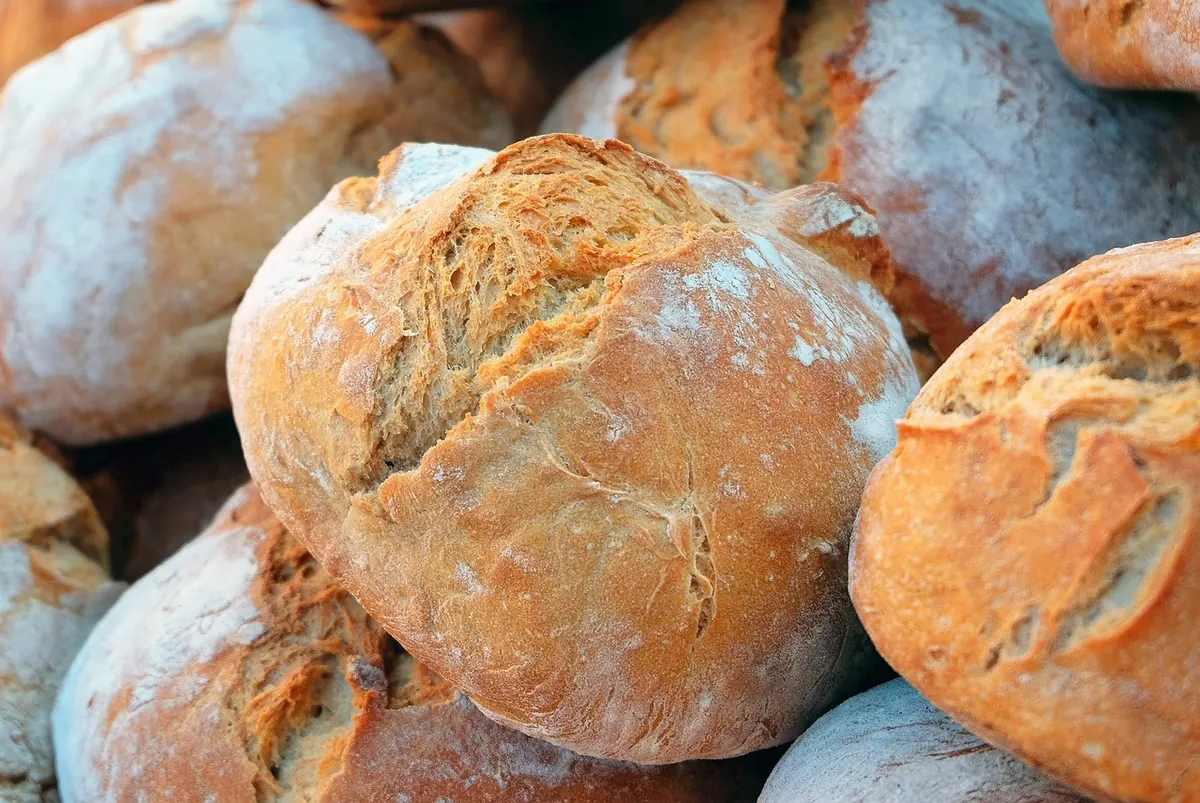
Bread dough has to trap gas and hold its shape through a rise that may last hours. That calls for a flour with enough protein to build a coherent network and enough quality to keep it elastic without turning tight and unyielding. Bread flour is the obvious choice; a good strong 0 or 00 with a W above 220 will also do the job handsomely.
Strong flour drinks more water than weak flour. Where all-purpose might be happy at 60% hydration — 600 g of water per kilo of flour — a bread flour often wants 65–70%, sometimes more. Add water in small increments and judge by feel: the dough should be tacky but not a swamp, and it should clean the bowl after a few minutes of kneading.
The oldest test still works. Take a small piece of dough after kneading, wet your fingers, and stretch it gently into a thin sheet. If it goes translucent without tearing, the gluten is developed. If it rips immediately, keep kneading or give it ten minutes of rest and try again — time does work that hands sometimes cannot.
Whole wheat flour needs more water and more rest, because bran absorbs liquid and slices through gluten strands as you knead. Start by swapping a quarter of your white flour for whole wheat, add roughly 5% extra water, and let the dough sit for twenty minutes before you begin kneading in earnest. Breads made entirely from whole wheat are perfectly possible, but they reward a softer dough than you might expect.
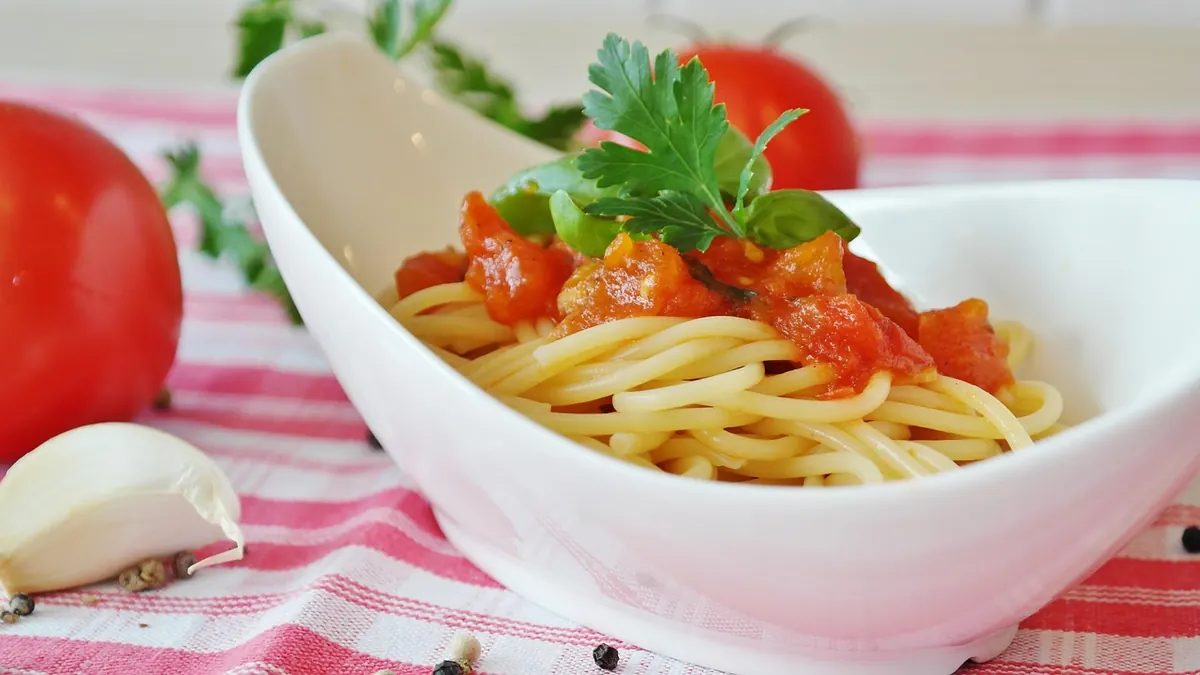
Durum wheat, milled coarsely into semolina or finely into durum flour, is the backbone of dried pasta. Its gluten is strong but extensible rather than bouncy, which is exactly what you want when dough is pushed through a press or rolled thin. It also brings color — that warm, faintly golden tone — and a firm bite that survives boiling.
Fresh egg pasta is another matter. In much of Italy, a soft wheat 00 is traditional for sheets, giving a silkier dough that rolls out easily and cooks in a minute. In the south, durum flour often takes over, producing a chewier, more robust noodle.
Pastry asks for the opposite of bread. You want tenderness, shortness, a crumb that breaks cleanly. Strong gluten would fight you the whole way, toughening the crumb and shrinking the shell as it bakes. Reach for pastry flour or a low-protein all-purpose, and handle it as little as possible.
The technique matters as much as the flour. Cut cold fat into the flour until it looks like coarse breadcrumbs, add liquid sparingly, and bring the dough together with a few folds rather than a knead. Chill before rolling. If your tart shells keep slumping or shrinking, the flour may simply be too strong — try a weaker one, or replace a spoonful or two of the flour with cornstarch in delicate cake recipes. For brioche and enriched doughs, the opposite applies: butter and sugar weaken the network, so start with a strong flour that can take the punishment.
Stone-milled flours tend to carry more of the grain's character and a slightly coarser texture; roller-milled flours are more uniform and more predictable. Neither is better in the abstract — but a coarser grind absorbs water more slowly, so give the dough a longer rest before you decide it needs more liquid.
Freshness is underrated. Whole grain flours contain oils from the germ that turn rancid within weeks at room temperature. Buy them in small quantities, keep them airtight and cool, and store whole wheat in the freezer if you bake only occasionally. White flour keeps far longer, but it is still worth writing the opening date on the bag.
Finally, resist the urge to fix a dough with a single decisive pour. Adjust hydration in 5% steps, rest for ten minutes, and reassess. Flour varies by harvest and by mill, and the bag that worked perfectly last month may ask for a splash more water this month.
You do not need eleven kinds of flour. Three will carry most home baking: a strong bread flour around 12–13% protein, a low-protein pastry or cake flour, and a bag of semolina. Add an all-purpose flour for everyday cooking, and you have a workable pantry that covers loaves, sheets of pasta, and a decent tart.
When you buy something new, bake one small thing you know well before committing to a Sunday-long project. A single roll or a small batch of shortcrust tells you more about a flour than any label. Keep a note of what worked, what needed more water, and how the dough felt in your hands. After a few months, you will recognize a flour by touch — and the choice at the shop will take about four seconds.
Photo: Couleur / Pixabay